The Ross companies recycled 2,869 tons of metal in 2020. Believe it or not, it’s a lot of work to recycle that much metal.
Most people are aware that Ross safely incinerates thousands of pounds of hazardous wastes every year so that it doesn’t damage the environment. Much of this waste is delivered to the facility in steel drums or containers and fed directly into the incinerator, container and all. What people may not realize is that once the waste is burned, a residual substance of ash and scrap metal is left behind. Associates do not merely discard that material. First, it’s parsed for recyclable metals.
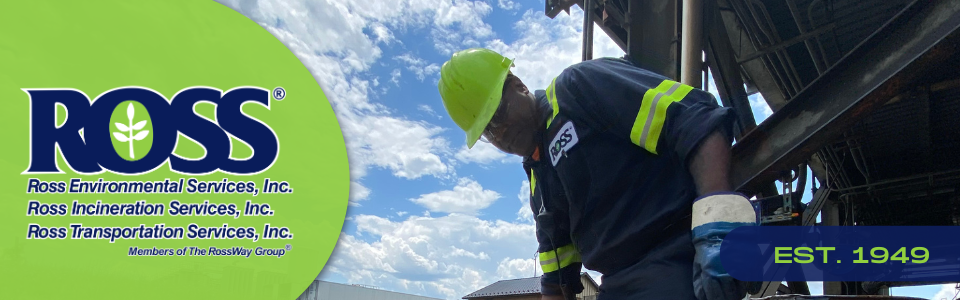
Ross associates begin the process by carefully feeding the residual ash and steel into a rotary trommel, which physically separates the metal from the ash by use of magnets — and lots of shaking and tumbling. A steel shredder further separates scrap steel to allow for a wider range of recycling options. It’s quite a process!
Eventually all steel is shipped offsite for reuse as a raw material in the steel-making and foundry industries. The ash, which is now free of scrap metal, is transported offsite for disposal in a hazardous waste landfill. Since 90 to 95 percent of the waste volume is destroyed, only 5 to 10 percent of the waste (ash) ultimately goes to a landfill. That’s a win when considering the crisis in landfill space we currently face.
It is estimated that Ross recycled another 2,500 tons of scrap metal in 2019.
 Ross Environmental Services, Inc.